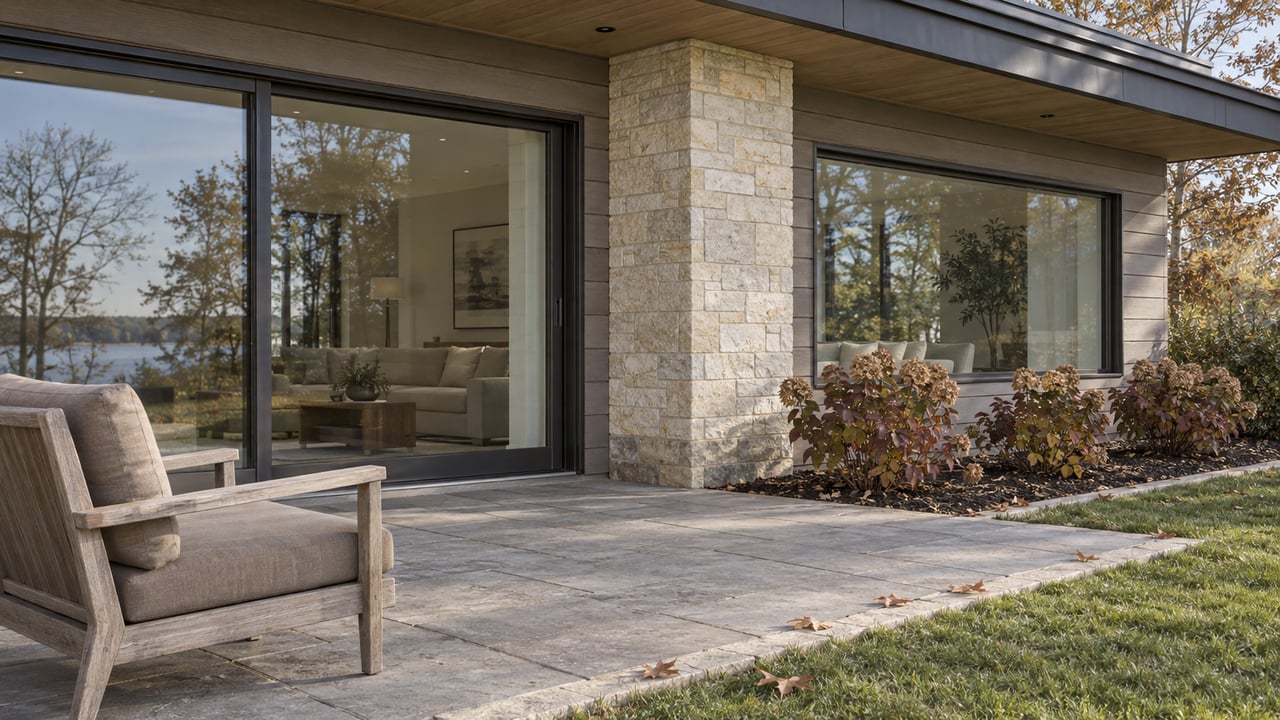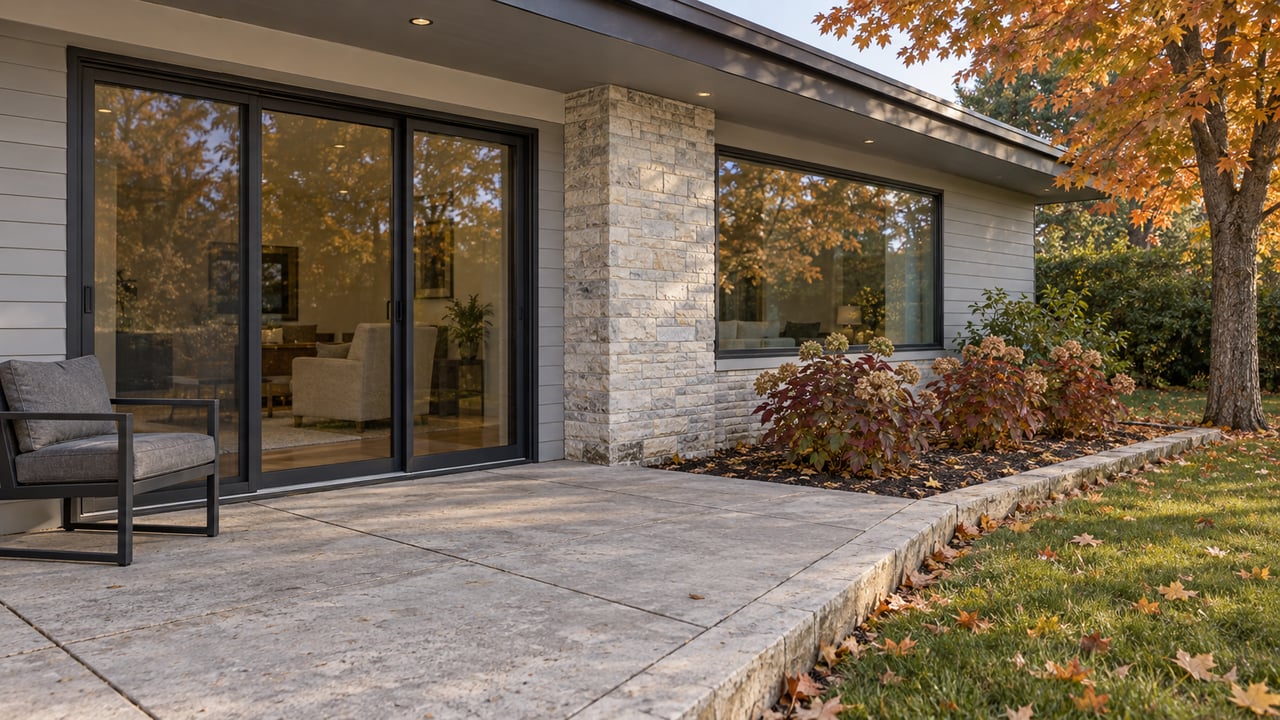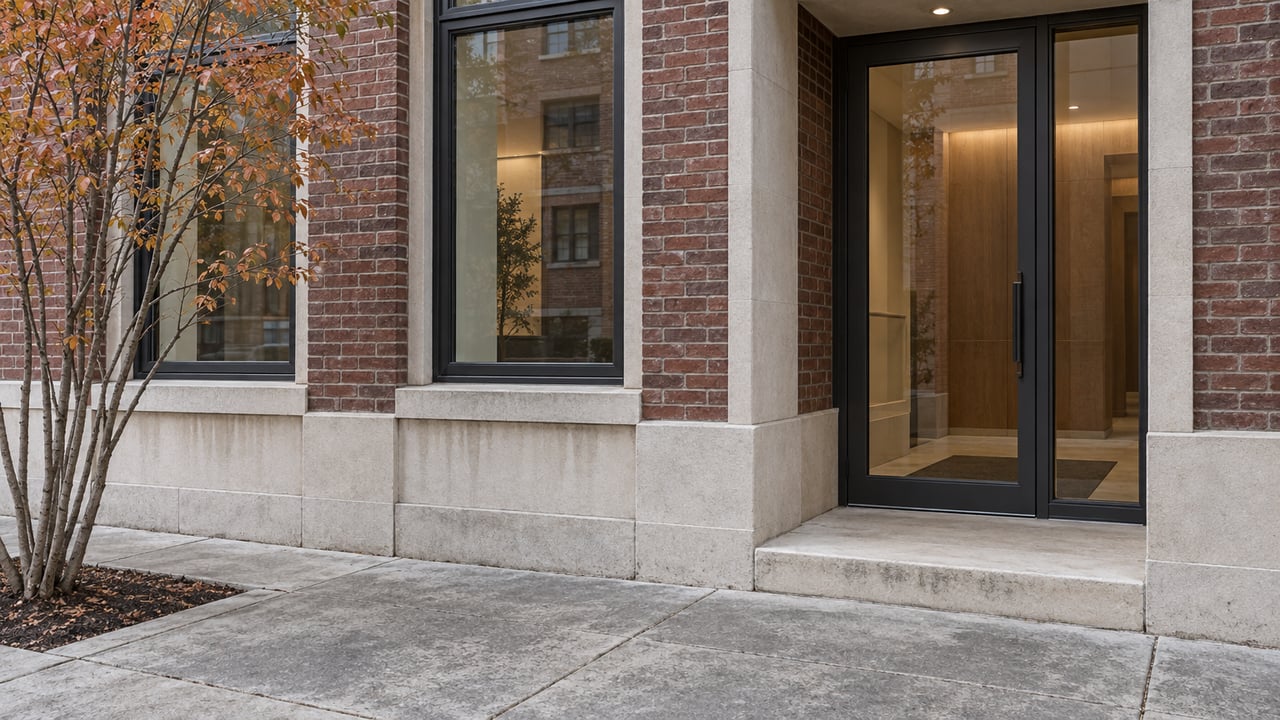
Thinking about trading yard work for skyline views and a short walk to coffee, dining, and events? Downtown Fort Wayne offers a mix of condos and lofts that can fit many budgets and lifestyles. If you want low maintenance without surprises, it pays to understand building types, HOA fees, parking, and financing before you start touring. This guide gives you the essentials, local examples, and a simple checklist so you can buy with confidence. Let’s dive in.
Downtown market at a glance
Downtown Fort Wayne is not one price tier. In zip code 46802, recent snapshots show a median price in the high $300Ks, but you’ll see a wide spread. Smaller historic conversion condos often sell in the low to mid $100Ks, while newer luxury units and penthouses can climb into the mid six figures and above $1 million.
That range reflects the mix of buildings downtown and ongoing development along the riverfront. A recent city housing study highlights active and planned mixed-use projects that keep adding homes, amenities, and public parking to the core. You can review the city’s summary of downtown and east-central projects in the City of Fort Wayne’s housing report for context on supply and momentum.
What drives price differences
- Building type and age. Historic conversions tend to be more affordable. Purpose-built luxury mid-rises usually command higher prices.
- Size and finishes. Larger floor plans and premium finishes price higher.
- Amenities and fees. Elevators, fitness rooms, rooftop decks, and security impact HOA dues and value.
- Parking and views. Deeded garage spaces, skyline or river views, and proximity to parks influence pricing.
Building types you’ll find
Historic conversions
Historic warehouse and office buildings converted to loft-style condos offer exposed brick, tall ceilings, and big windows. Many are smaller units and sit on the lower end of downtown pricing, often in the low to mid $100Ks depending on size and finishes. HOAs in these buildings may be simpler with fewer amenities.
Pros: character, central locations, lower entry prices. Cons: older mechanicals, sound and energy performance can vary, and parking can be unassigned or off-site.
Purpose-built luxury mid-rises
These buildings are newer construction or high-end restorations with elevator access, secure entry, and rooftop or fitness amenities. Many luxury units at addresses like 202 W Berry Street have sold at premium prices, and listings often advertise deeded garage parking.
Pros: turn-key amenities, modern building systems, deeded or assigned garage spaces. Cons: higher purchase prices and HOA fees.
Rental “lofts” vs condos
Not every “loft” downtown is a condo you can buy. Several newer riverfront and mixed-use projects are rentals. That energy is great for downtown living, but it can be confusing when you search online. Always confirm whether a building is a legal condominium with individual unit ownership or a rental community. For a sense of downtown living options and locations, explore the area guide on downtownfortwayne.com’s living page at Downtown Fort Wayne’s living guide.
HOA fees and what they cover
HOA dues vary widely because buildings offer different services. In luxury mid-rises, monthly fees can reach the high hundreds and may cover building insurance, exterior maintenance, snow removal, elevator service, security, water, sewer, and trash. In some older conversions, dues may be lower with fewer inclusions.
It is critical to confirm exactly what your fee covers and what it does not. The building carries a master insurance policy for common areas, but you will need an HO‑6 condo policy for your interior, belongings, liability, and potentially loss-assessment coverage. To understand the difference between the master policy and your owner policy, review this simple overview of condo insurance basics at Square One’s condo insurance guide.
Under Indiana condominium law, associations maintain records and provide reasonable access to owners. That means as a buyer you can request financials, the declaration, bylaws, rules, a recent budget, reserve details, and meeting minutes. You can read the relevant owner-access language in Indiana’s condominium code.
Reserves and special assessments
Healthy reserves protect owners from big one-time assessments when major repairs are needed. Ask for the latest reserve study or a summary of long-term capital planning. If reserves are thin, you could face a special assessment. To understand why reserve studies matter, see this overview from a reserve study specialist at Reserve Data Analysis.
Financing matters more with condos
When you finance a condo, the lender reviews both your unit and the entire project. Fannie Mae, Freddie Mac, and FHA set project rules that can affect your loan options and required down payment. If a project has too much commercial space, high investor concentration, or unresolved issues, it might be considered non-warrantable for some loans. Buyers planning to use FHA or VA should confirm project approval early and include a condo-approval contingency when needed. For a plain-language reference on project eligibility, start with Fannie Mae’s selling guide.
Pro tip: Talk with a local lender before you tour. They can pre-check popular downtown projects so you know which buildings align with your financing.
Parking and getting around
Parking looks different downtown than in the suburbs. Luxury buildings often include deeded or assigned garage spaces that transfer with the unit, while some historic conversions rely on nearby lots or public garages.
The City of Fort Wayne has added new public parking capacity to support downtown growth, including the Headwaters-area garage that serves nearby residents and businesses. You can read the city’s announcement about new garage capacity and operations at the City of Fort Wayne’s parking news release. Monthly passes are typically available in city garages, and policies vary by location.
For daily life, many core blocks around The Landing, Promenade Park, and Headwaters Park are comfortably walkable, with dining and culture close by. The local Citilink network runs bus routes from downtown to other parts of the city, though many residents still keep a car for regional errands. Parks are a major perk: explore programming and trails at Promenade and Headwaters via Riverfront Fort Wayne.
Is downtown living right for you?
Downtown condos tend to be a strong fit if you want:
- Low-maintenance living with elevator or one-level access.
- Walkable access to restaurants, events, parks, and the riverfront.
- Modern amenities such as secure entry, fitness rooms, or rooftop spaces.
A suburban single-family home might be a better fit if you need:
- A private yard for gardening or pets.
- Lower monthly association costs and more storage.
- A multi-car garage and space for hobbies or gear.
Buyer due diligence checklist
Before you write an offer, gather and review these items. Build a contingency into your contract if timing is tight.
- Association document packet: declaration, bylaws, rules, most recent budget, financials or bank statements, insurance declarations, reserve study, and board minutes from the last 12 to 24 months. Indiana law provides owners access to records. See Indiana’s condominium code on records.
- Financial health: ask about recent or pending special assessments, planned capital projects, and the status of reserve funding. Learn why reserve studies matter at Reserve Data Analysis.
- Insurance details: confirm the association’s master policy coverage and deductible, and speak with your insurer about HO‑6 coverage and loss-assessment endorsements. A quick primer is here: Square One’s condo insurance guide.
- Parking specifics: verify whether spaces are deeded, assigned, or leased, plus any guest parking rules and EV charging policies or waitlists.
- Project eligibility and financing: have your lender confirm warrantability and, if needed, FHA or VA approval before finalizing terms. Learn the basics in Fannie Mae’s selling guide.
- Building condition: request a list of recent capital projects and any engineering or inspection reports for roofs, elevators, facades, and mechanical systems.
- Occupancy and rental rules: confirm owner-occupancy ratios and any short-term rental restrictions. These can affect lending and resale.
- Governance and minutes: look for patterns such as deferred maintenance, frequent board turnover, or unresolved disputes in the last year of board minutes.
Your next step
Downtown Fort Wayne offers something rare in the region: character-rich lofts, modern high-rise amenities, riverfront parks, and a growing slate of dining and events, all within a compact footprint. If you want an easier, more walkable lifestyle, a downtown condo can deliver. The key is to pair the right building with the right financing and to review the HOA details before you sign.
If you’re weighing downtown against a suburban home, we can help you compare monthly costs, commute needs, and lifestyle trade-offs so you choose with clarity. Let’s talk through your goals, walk a few buildings, and map out a smart plan. Connect with MSD Group, LLC (Lion & Christlieb) to get started.
FAQs
What price ranges should I expect for downtown Fort Wayne condos?
- You’ll see smaller historic conversion units often in the low to mid $100Ks, mid-range options in the high $200Ks to $400Ks, and luxury or penthouse units in the mid six figures to $1 million or more, depending on building, size, parking, and views.
How do HOA fees work in downtown Fort Wayne condos?
- Dues vary by building. Luxury mid-rises with elevators, security, and amenities often have higher monthly fees that may cover some utilities and building insurance. Always verify inclusions, master policy details, and reserve strength.
What is the difference between deeded and assigned parking?
- Deeded spaces are part of your property and typically transfer with your unit. Assigned spaces are allocated by the association and can be changed by policy. If parking is critical, confirm the status in writing before you buy.
Can I use FHA or VA financing to buy a condo downtown?
- Possibly. Your eligibility depends on whether the condo project meets agency rules and, for FHA, whether it is approved. Have your lender check project status early and include a condo-approval contingency if needed.
Are most “lofts” downtown condos I can buy or rentals?
- Both exist. Several prominent riverfront projects are rentals, while many historic and mid-rise buildings are condominiums. Always confirm the building’s legal status before touring or applying for financing.