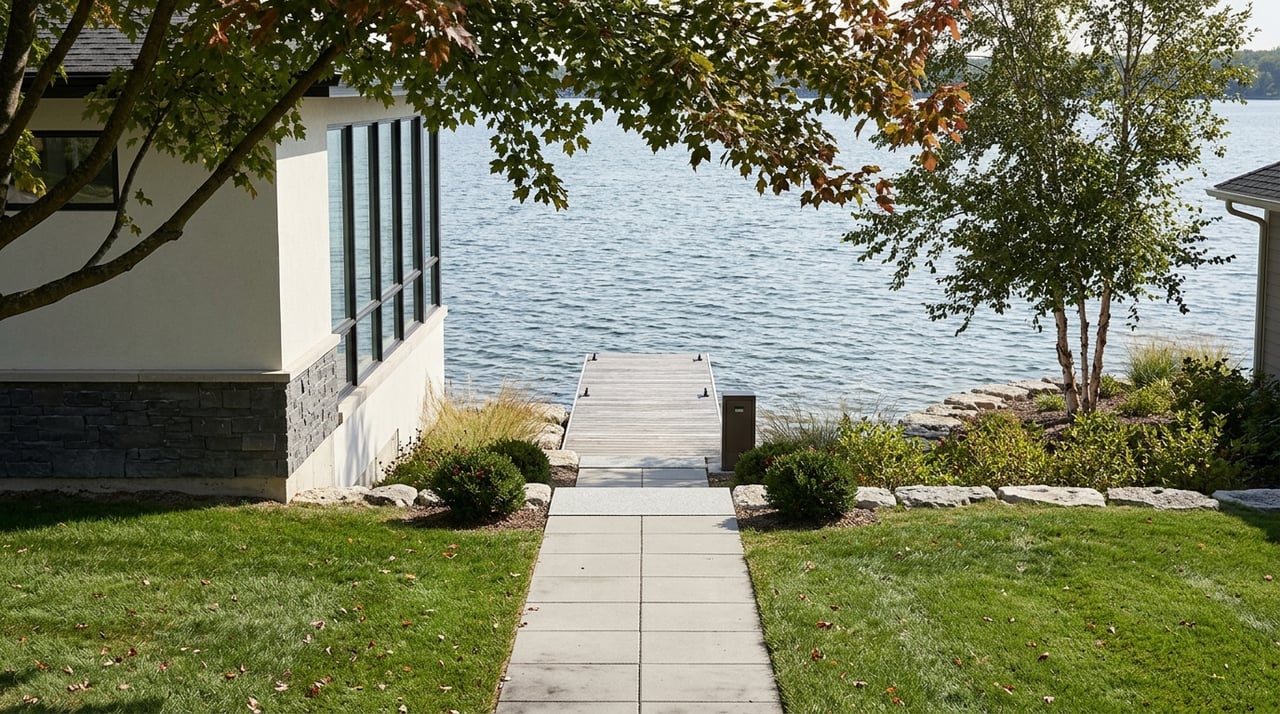
Wondering why two lake lots with similar views can feel worlds apart once you dig into the details? In Kosciusko County, choosing the right lot is not just about being on the water. It is about finding a property that fits how you want to use it, what you can build, and what ownership will look like long term. If you are comparing lots around Warsaw and the wider county, this guide will help you sort through the factors that matter most. Let’s dive in.
Start With the Lake First
In Kosciusko County, the lake itself is often the biggest value driver. The county has more than 100 lakes, more than 17 public access points, and about 23.01 square miles of water. That means your experience can vary a lot depending on which lake system you choose.
Some buyers are drawn to large recreation lakes, while others prefer a quieter setting on a smaller lake, cove, or chain-lake property. Major lake systems people often compare include Wawasee and Syracuse, Tippecanoe, Chapman, and Oswego, Webster, Winona, and the Barbee chain. A lot may look great in photos, but the surrounding lake environment can shape daily use, seasonal traffic, and long-term appeal.
Kosciusko County also has strong local resources for understanding each lake. Indiana maintains lake depth maps for places like Wawasee, Webster, Winona, Tippecanoe, and Little Barbee, while local lake-level data includes legal lake levels, base flood elevations, and FEMA flood-hazard references. Before you fall in love with a parcel, make sure the lake itself fits your goals.
Match the Lake to Your Lifestyle
The best lake lot for you depends on how you plan to enjoy it. If you picture boating, pier use, and frequent entertaining, you may want a different setting than someone looking for a quieter weekend retreat. The right fit starts with your priorities, not the listing photos.
Ask yourself a few basic questions early:
- Do you want a larger recreation lake or a more protected setting?
- Will you use the property seasonally or year-round?
- Are you focused on boating access, views, swimability, or simpler maintenance?
- Do you want a lot in a busier lake area or one with less activity?
Study Shoreline and Lot Features
Once you narrow down the lake, the next step is studying the lot itself. Shoreline type plays a big role in both enjoyment and maintenance. In Kosciusko County, you may see glacial stone, native plants, bare soil, seawalls, and grass lawn at the water’s edge.
According to the local Soil and Water Conservation District, natural shorelines can reduce erosion from wave action and help filter runoff. It also notes that glacial stone and native plants are often less expensive to install and maintain than seawalls. That makes shoreline condition more than a cosmetic detail.
Look Beyond the View
A beautiful view does not always mean an easy lot to build on or maintain. Slope, drainage, driveway placement, dock access, and the relationship between the home site and the water all matter. This is where local mapping tools can be especially useful.
Kosciusko County GIS includes property lines, roads, addresses, creeks and ditches, zoning, and 2-foot contours. The county also maintains high-resolution aerial photography. These tools can help you see how a lot actually lays out before you make assumptions based on marketing images.
Frontage and Shape Matter
Not every waterfront parcel offers the same flexibility. Frontage width, lot shape, and shoreline configuration can affect where and how you build. Corner lots, cove lots, and irregularly shaped parcels may seem appealing, but they can come with real limitations.
Kosciusko County zoning rules state that lots abutting more than one lake or waterway must provide the required lake yards along every shoreline. The ordinance also says a lot with at least 100 feet of width at the building setback line must abut a public street or private road with at least 50 feet of frontage. In practical terms, buildability can be tighter than buyers expect.
Confirm Sewer, Septic, and Utility Setup
Utilities can be one of the biggest differences between two otherwise similar lake lots. In many older lake areas, homes historically relied on individual septic systems. Over time, many lake communities have created regional sewer districts to reduce contamination risk.
Examples mentioned by local sources include Turkey Creek Regional Sewer District around Wawasee and Syracuse, Tippecanoe Chapman Regional Sewer District for Tippecanoe and Chapman Lakes, and Lakeland Regional Sewer District for the Barbee-chain lakes. If a lot is connected to a sewer district, ownership may look very different than on a property that still depends on a private septic setup.
Small Lots Can Have Big Limits
This is one of the most important checks for buyers. District materials for Tippecanoe and Chapman say that on-site septic can become costly or impractical. They also note that the county standard for a building site without sanitary sewer is 20,000 square feet because space is needed for the home, septic system, replacement septic system, and well isolation area.
That means a small waterfront lot may offer a great setting but still have serious constraints. If you are buying vacant land, or planning major improvements, utility and septic questions should come up early. They can affect both what you build now and how easy the property may be to sell later.
Know Which Permits Apply
Permit responsibility should never be an afterthought with a lake lot. County guidance says a new principal structure requires septic and well permits. The Health Department handles septic and well permits and inspections, while the Area Plan Commission reviews subdivision plats and issues improvement location permits.
The Area Plan Commission also enforces zoning, stormwater and erosion control, and flood control rules in its jurisdiction. For buyers, that means due diligence should go beyond the deed and survey. You want a clear picture of what approvals may be needed before closing.
Review Water Rules and Flood Risk
Owning a lake lot also means understanding what rules apply at and near the shoreline. Indiana DNR says that on public freshwater lakes, any activity at or lakeward of the legal or average normal shoreline requires written DNR authorization unless an exemption or general license applies. That can matter if you are planning a dock, pier, shore stabilization project, or other waterfront improvement.
This is one reason lake property decisions should be practical, not just emotional. A lot may seem ideal until you learn that your planned improvements need additional review. Knowing the regulatory setting ahead of time can help you avoid expensive surprises.
Check Flood Exposure Separately
Flood exposure deserves its own review. A lot can have a beautiful shoreline and still face meaningful floodplain or floodway constraints. Those issues can affect additions, septic placement, usable yard space, and the way you plan future improvements.
Kosciusko County maintains lake-level data that includes FEMA flood-hazard references and base flood elevations for lakes and streams. That local information, along with FEMA flood mapping, helps buyers look past the scenery and understand the practical risk. In a lake market, that step is essential.
Pay Attention to Water Quality
Water quality is not just an environmental issue. It can shape how enjoyable the property feels and how buyers view it over time. If your goal is swimming, boating, relaxing by the dock, or protecting resale value, this deserves close attention.
IDEM monitors blue-green algae with DNR, the Indiana Department of Health, and the Board of Animal Health, and it provides current and historical advisory information. Locally, the Lilly Center’s 2025 lake report found that clarity varied by watershed and that water clarity is only one measure of lake health. In other words, clear water is not always clean water.
Why Water Clarity Affects Resale
There is also a value side to this conversation. A 2024 peer-reviewed study on 14 large Kosciusko County lakes found that improved water clarity could increase home values. The Lilly Center’s summary of that study says a 12-inch average clarity improvement across the county’s 14 major lakes could lift total home values by almost $122 million.
For you as a buyer, that means lake conditions are not just a lifestyle detail. They can be part of the long-term value story. Lots with legal access, durable shoreline conditions, sewer availability or a sound septic setup, manageable flood exposure, and confidence in lake conditions are often the strongest candidates for resale.
A Smart Lake Lot Checklist
If you want to compare properties more clearly, keep your focus on the basics that shape ownership. A simple checklist can help you avoid being distracted by the view alone.
Before you move forward on a lake lot, review:
- The lake system and how it fits your intended use
- Shoreline type and likely maintenance needs
- Lot shape, frontage, and potential setback limits
- Slope, drainage, and driveway placement
- Sewer district access or septic requirements
- Well and septic permit needs
- DNR rules for shoreline or pier-related plans
- Flood-hazard references and base flood elevation data
- Water quality conditions and advisory history
Final Thoughts on Choosing the Right Lot
The best lake lot in Kosciusko County is rarely the one with the prettiest photo alone. It is the one that fits how you want to live, what you want to build, and what level of maintenance and regulation you are prepared to handle. A simpler lot with good access, sound drainage, workable utilities, and stable lake conditions may be a stronger purchase than a more dramatic lot with hidden constraints.
If you are exploring lake and lifestyle properties around Warsaw and greater Kosciusko County, working with a team that understands both the local market and the practical details can make the process much smoother. When you are ready to compare opportunities with a strategic eye, connect with MSD Group, LLC (Lion & Christlieb).
FAQs
What should buyers look at first when choosing a lake lot in Kosciusko County?
- Start with the lake itself, since usage, setting, traffic, depth information, and overall ownership experience can vary widely from one lake system to another.
How do shoreline conditions affect a lake lot in Kosciusko County?
- Shoreline type can affect erosion, runoff, upkeep, and future costs, with natural options like glacial stone and native plants often requiring less maintenance than seawalls.
Why do sewer and septic matter so much for lake lots in Kosciusko County?
- Sewer availability can make a major difference in usability and resale, while lots without sanitary sewer may face size and placement requirements for septic, replacement septic areas, and wells.
What permits may apply to building on a lake lot in Kosciusko County?
- Depending on the property and project, you may need septic and well permits, improvement location permits, and review related to zoning, stormwater, erosion control, flood control, or shoreline work.
How should buyers check flood risk for a lake lot in Kosciusko County?
- Buyers should review local lake-level and base flood elevation data along with official flood-hazard mapping to understand whether floodplain or floodway constraints may affect building or future improvements.
Does water quality affect lake property value in Kosciusko County?
- Yes. Local reporting and a 2024 peer-reviewed study indicate that water clarity and broader lake conditions can influence buyer confidence, enjoyment, and long-term property values.