Looking for a small-town downtown that still feels active, useful, and connected to daily life? Historic downtown Roanoke offers exactly that kind of balance. If you are thinking about buying a home in the area, it helps to understand how the town’s history, Main Street layout, events, and housing options all fit together. Let’s dive in.
Why downtown Roanoke stands out
Roanoke presents itself as a town focused on both preservation and growth. Local sources describe a place that values its historical, cultural, and natural heritage while continuing to evolve. That gives downtown a distinct identity that feels rooted rather than manufactured.
The town’s history helps explain that character. Roanoke grew from Miami Indian land into a commercial center tied to the canal and railroad in the mid-1800s, and Main Street became the retail core. Downtown also saw revitalization in the 1990s, which still shapes how the area functions today.
Another defining feature is the 25-acre park in the center of town. Instead of feeling like a business strip alone, downtown has a civic feel where shopping, events, and public gathering overlap. For many buyers, that makes the area feel more like a community hub than just a place to run errands.
What daily life looks like downtown
One of the biggest draws of historic downtown Roanoke is how compact it feels. Main Street and Waterfield Plaza concentrate many of the shops and services into a walkable core. That can make everyday outings feel simpler and more enjoyable.
Waterfield Plaza reflects that mix well. Located in one of Roanoke’s oldest historic buildings, it brings together boutiques, wellness products, local art, classic books, a cafe, and event space. It adds to the sense that downtown is designed for browsing, meeting up, and spending time, not just making a quick stop.
The broader business mix reinforces that pattern. Main Street includes specialty retail such as Bu·tík, Magnolia + Moss Mercantile, and Heartstrings Lather Up. For a small town, that creates a concentrated corridor where shopping and casual social time can happen in the same trip.
Dining and gathering spots
Dining also plays a big role in downtown life. Roanoke offers a range of casual food and drink options that support both day-to-day routines and weekend plans. That matters if you want a town center that feels active beyond business hours.
Moose & Mollie’s is one example of that variety, with coffee drinks, pastries, pies, soups, salads, sandwiches, gelato, ice cream, and desserts. Other listed options include Roanoke Village Inn, The Copper Still, Jebi’s Ice Cream Shoppe, The Parker Grace Tea Room, and The Patio Pizza & BBQ. Two-EE’s Winery, located just outside town, adds another nearby destination.
Taken together, these spots help downtown function as an errand-and-meal corridor. You can picture a practical routine here: coffee, shopping, lunch, and a stop at a local event, all within a compact area. That type of convenience often appeals to buyers who want small-town living without feeling isolated.
Events give downtown its rhythm
A historic district can look attractive on paper, but regular activity is what gives it energy. In Roanoke, the event calendar is a major part of the downtown experience. It creates recurring reasons for residents and visitors to spend time in the town center.
The Roanoke Farmer’s Market is one of the clearest examples. It runs on Fridays during the summer season on Main Street and brings together fresh produce, flowers, baked goods, handmade items, food trucks, live music, and late shop hours. The current event page lists the 2026 season as Fridays from June 5 through September 4, from 5:00 p.m. to 8:00 p.m.
Other recurring events build on that same momentum. A Renaissance in Roanoke features a juried art show, handcraft marketplace, boutique farmers market, children’s activities, art demonstrations, live music, student exhibitions, and food trucks. Rolling Into Roanoke supports downtown businesses and the park, while Holiday Open Houses, Taste of Roanoke, and Springtime in the Village add more seasonal activity.
For a homebuyer, this matters because events shape how a place feels over time. Downtown Roanoke is not just a historic backdrop. It is a center for regular community activity, which can make living nearby feel more connected and engaging.
What kinds of homes are near downtown
If you are exploring homes near historic downtown Roanoke, the zoning code offers the clearest picture of what you are likely to find. Several residential districts in the area are intended for low-density housing centered on single-family homes. That supports the common pattern of older in-town houses on a traditional street grid.
The town’s residential districts vary in what they allow. SR and R-2 are focused on low-density residential uses and single-family homes. R-4 allows single-family and two-family dwellings, while R-8 allows single-family, two-family, and multi-family dwellings.
The Central Business district is also important for downtown buyers. In that district, single-family, two-family, and multi-family dwellings can exist alongside service and retail uses. In practical terms, that means housing close to the commercial core may include a broader mix of property types than you would see farther from Main Street.
How that translates for buyers
For many buyers, the likely housing pattern is fairly straightforward. Near downtown, you are most likely to come across older single-family homes, with some possibility of duplexes or smaller mixed-use housing closer to the core. That aligns with both the zoning code and current market examples noted in the research.
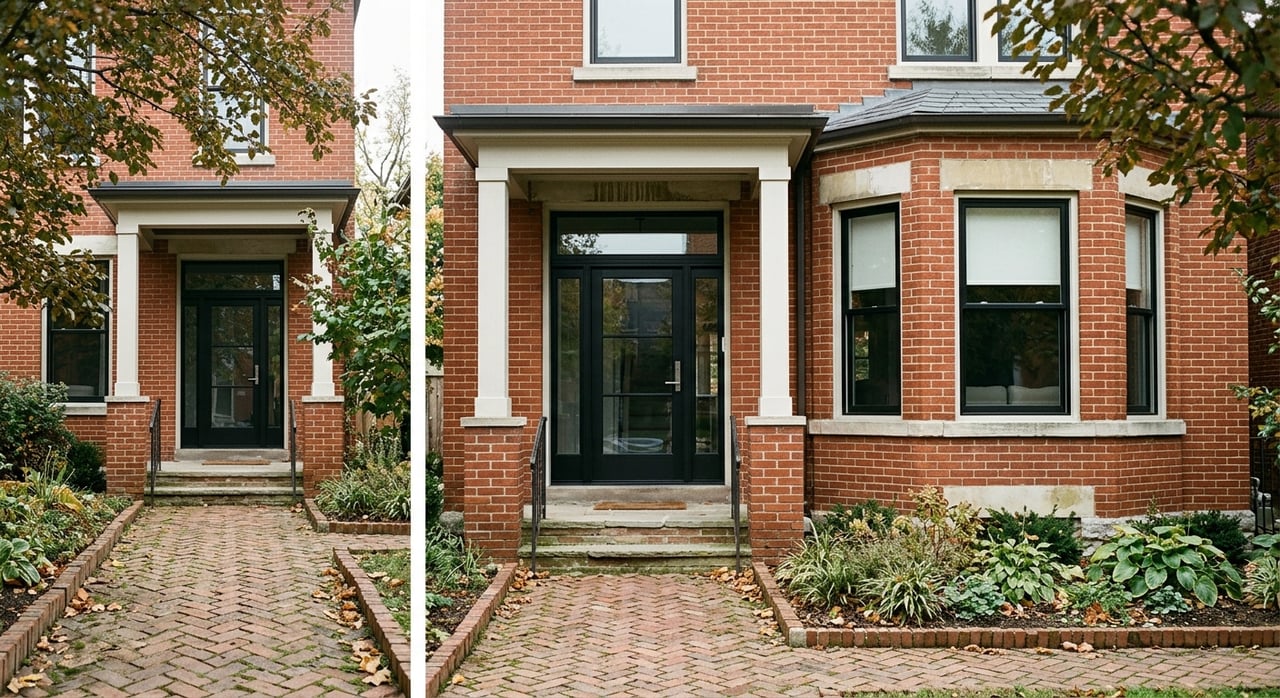
One example is 137 W 6th St, a single-family two-story home built in 1900 on a downtown block. That kind of listing illustrates the historic in-town housing style buyers may encounter near Main Street. It also helps frame downtown Roanoke as a place where housing and history are closely linked.
At the same time, the broader Roanoke area offers a different residential feel just a short drive away. Current examples such as 9824 Iron Bridge Rd and 3132 E 900 N show the larger-lot, site-built homes that exist outside the downtown core. So if you like Roanoke but want more space, the area still gives you options.
In-town convenience or more open space
One of Roanoke’s strengths is that you do not have to choose between all charm and all elbow room. The area supports both in-town convenience and more open rural-residential settings. That flexibility can be especially helpful if you are comparing lifestyle priorities.
If you want to be closer to downtown activity, an in-town home may put you nearer to shops, dining, seasonal events, and the central park. If you prefer a little more separation, homes outside the core may offer larger lots and a quieter setting while still keeping downtown within easy reach. That range is part of what makes Roanoke appealing to a wide variety of buyers.
Roanoke is also positioned as one of Huntington County’s faster-growing communities, with proximity to both Huntington and Fort Wayne. For buyers coming from the Fort Wayne area, that can make Roanoke feel like a small-town alternative with access to larger employment and service centers nearby. In other words, you can enjoy a more compact community setting without feeling far removed from the region.
Why buyers keep Roanoke on their list
Historic downtown Roanoke works because several pieces come together at once. You have a Main Street shaped by history, a compact cluster of shops and dining, a strong calendar of recurring events, and housing options that range from century-old in-town homes to larger properties outside the core. That combination gives the town day-to-day practicality as well as character.
For buyers, the appeal often comes down to lifestyle. Some people want a home near an active downtown where local events and casual outings are part of the week. Others want more land but still like being close to a recognizable town center. Roanoke supports both paths, which is why it stands out in the greater Fort Wayne area.
If you are weighing whether Roanoke fits your next move, local guidance can make the search more efficient. The right strategy starts with understanding which part of the Roanoke area best matches how you want to live. When you are ready to explore homes or talk through your options, connect with MSD Group, LLC (Lion & Christlieb).
FAQs
What is historic downtown Roanoke known for?
- Historic downtown Roanoke is known for its Main Street setting, preserved small-town character, local shops, dining, community events, and a central 25-acre park that helps make downtown a civic gathering place.
What kinds of homes can you find near downtown Roanoke?
- Near downtown Roanoke, buyers are most likely to see older single-family homes, with some potential for two-family, multi-family, or mixed-use housing closer to the Central Business district.
Does downtown Roanoke have shops and restaurants close together?
- Yes. Downtown shopping and dining are concentrated around Main Street and Waterfield Plaza, creating a compact area where boutiques, cafes, specialty retail, and local dining are close together.
Are there community events in downtown Roanoke?
- Yes. Recurring downtown events include the Roanoke Farmer’s Market, A Renaissance in Roanoke, Rolling Into Roanoke, Holiday Open Houses, Taste of Roanoke, and Springtime in the Village.
Is Roanoke a good option for buyers who work near Fort Wayne?
- Roanoke is often considered by buyers who want a small-town setting while staying within reach of Huntington and Fort Wayne, which helps connect the town to larger employment and service centers nearby.